On August 28, renowned Hong Kong director Wong Jing, together with the corporate teams of Jingdian Media and Huanlang Culture and industry guests, visited Jilin Animation Institute for an inspection and exchange. Liu Xin, Vice Chair of the university's Board of Directors, and Liu Zhenhua, Executive President, along with other university leaders, received the visiting delegation.
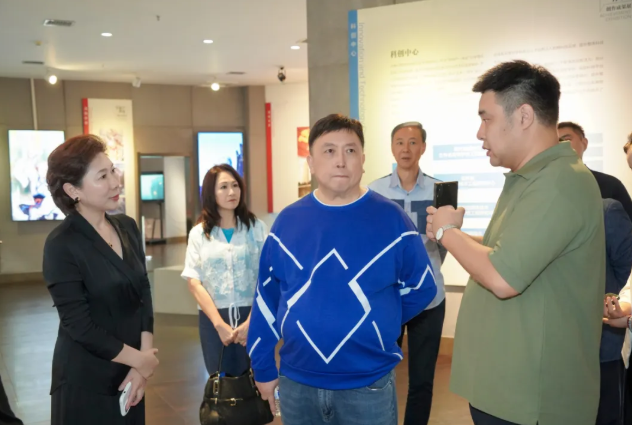
The guests toured the University History Museum and the Industry-Academia-Research Integrated Exhibition Hall, gaining a first-hand understanding of the university's history, its artistic achievements, and its distinctive industry-education integration model, while experiencing up close the university's accomplishments in cultivating film, television and animation talent and in industry practice.
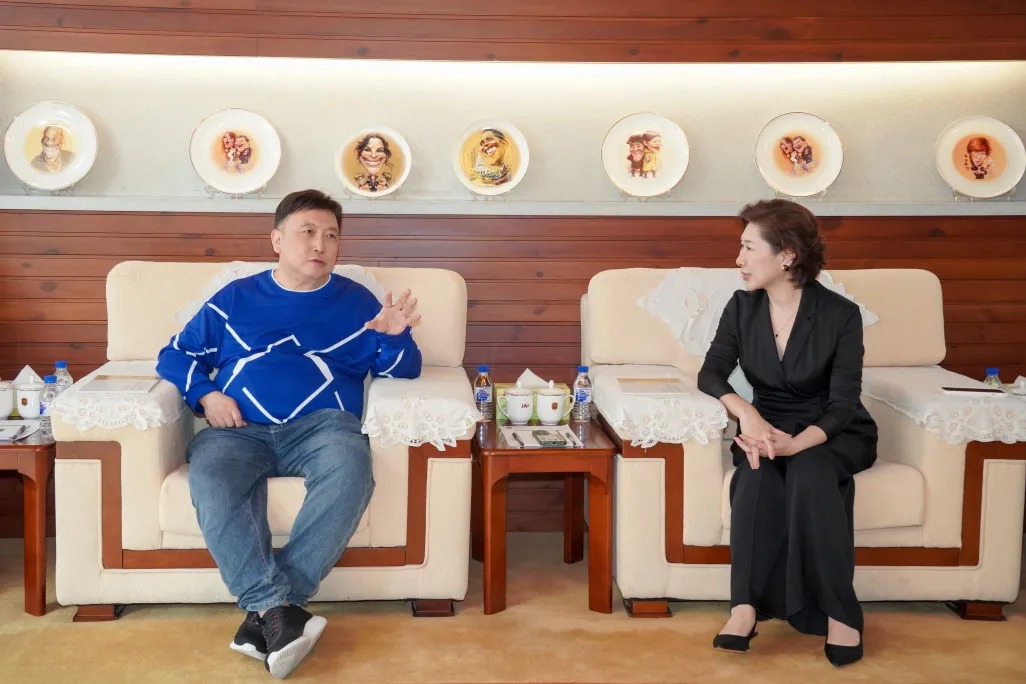
During the tour, Wong Jing and relevant university leaders exchanged views and discussed topics including development trends in the film and television industry, film and television talent cultivation, industry-education collaboration, and joint project development.
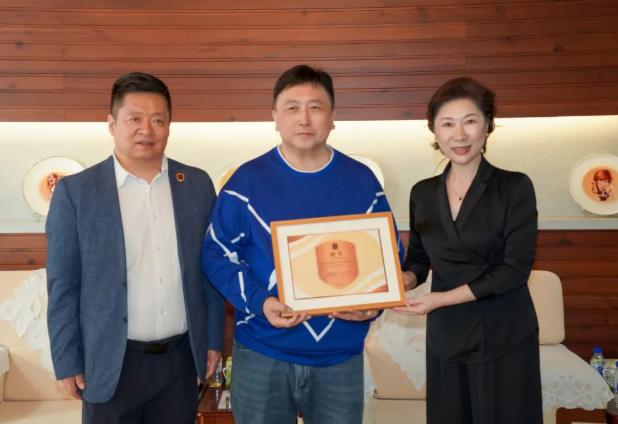
Following the tour, the university held a ceremony to confer the title of visiting professor, officially appointing Wong Jing and Wang Xueyan, Chairman of Jingdian Media, as visiting professors of Jilin Animation Institute.
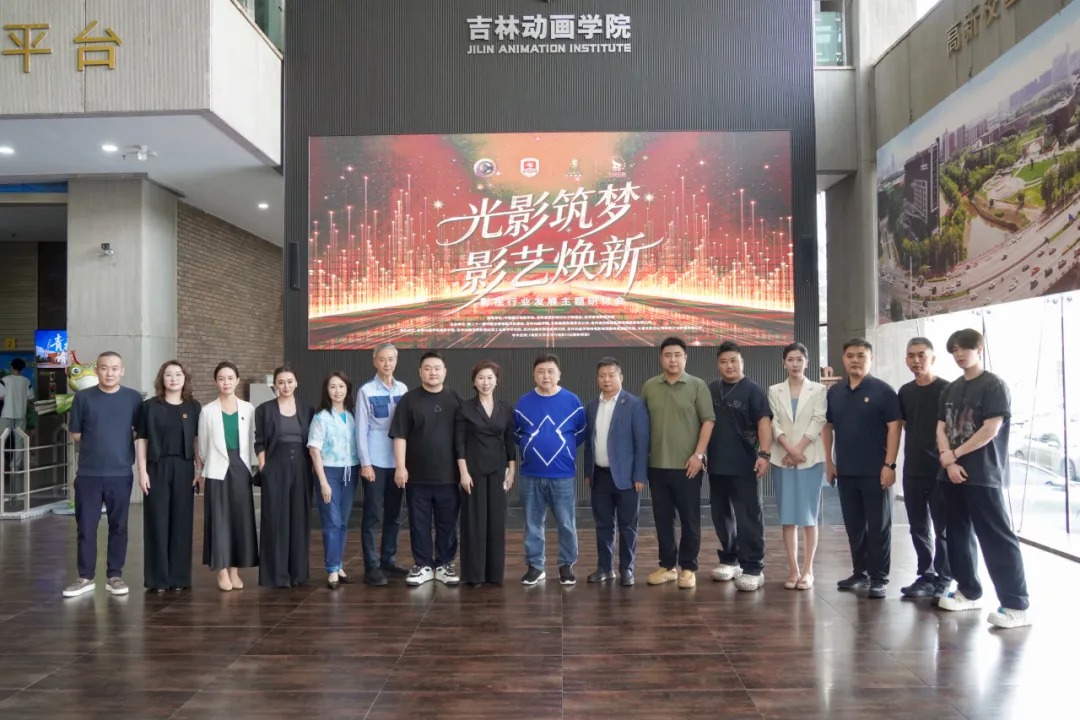
This exchange event built a bridge of communication and dialogue between the university and film and television industry enterprises, deepened the collaboration and two-way interaction in the film and television field between Changchun and Hong Kong, and promoted the organic connection between industry resources and the university's talent cultivation system. Looking ahead, Jilin Animation Institute will continue to deepen industry-education integration, actively connect with high-quality industry resources, expand channels for university-enterprise cooperation, and integrate cutting-edge industry practices into education and teaching, continuously improving the quality of talent cultivation in film and television-related programs. Taking this exchange as an opportunity, the university will also actively participate in Changchun–Hong Kong film and television cultural exchanges, leverage the industrial endowments of both cities, deepen mutual learning among film and television talents and collaborative project co-creation between the two places, and strive to jointly craft more cinematic works that carry both the warmth of the times and the sentiments of family and country — using light and shadow as a medium to tell China's stories in the new era and contributing to the high-quality development of China's film and television industry.