Recently, Prof. Guan Shing-sheng, Lifetime Honorary Professor of National Yunlin University of Science and Technology, Director of Cross-Strait Vocational Education Integration and Development Research Center, and Visiting Professor of Fujian University of Technology, and Juan Lu-yin, Ph.D., Institute of Colour and Image Research,DerbyUniversity, visited Jilin AnimationInstituteto giveacademic lectureson the theme of Aesthetic Cognition and Integration Application and conduct a round-table discussion on Perceptual Engineering and Vehicle Design & Discussion on the Implementation Path of Rural Revitalization under the Perspective of Cultural and Tourism Integration. More than 150 teachers and students from the School of Design listened to the lecture and participated in the discussion.
Accompanied by relevant personnel, the two experts, Guan Shing-sheng and Juan Lu-yin, visited the JAI History Museum, Jilin International Animation Museum and the Exhibition Hall of the Creative Achievements of the Integration of Education, Research and Industry. The two experts spoke highly of the school's characteristics and fruitful achievements. When Professor Guan saw the photos of his previous visit in the JAI History Museum, he smiled happily and felt close to the school.
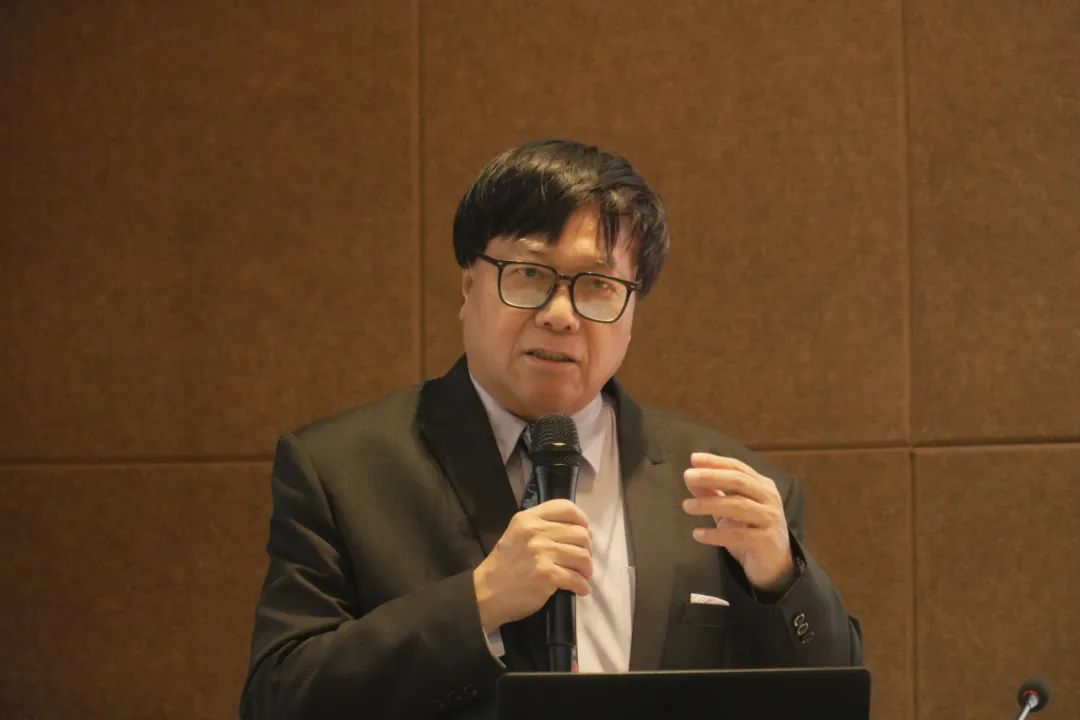
Lecture by Prof. Guan Shing-sheng
Prof. Guan, focusing on the theme of Aesthetic Cognition and Integration Application, took the topic of Cross-border Cooperation and Design Empowerment Talking about the Future Development of Fujian-Taiwan Integration of Rural Construction and Rural Creation, and combined with his own work practice, he shared the cases of local creation in Yingge and Three Gorges of China's Taiwan region. He elaborated on the importance of cross-border cooperation and design empowerment, and particularly mentioned the Changchun landmark The Hill, expressing his deep impression of it. Prof. Guan believes that the key to develop local characteristics of industrial resources is to guide high-quality talents to provide professional services and give back to their hometowns, and through the diversified combination of regions, industries and excellent talents, we could promote the development of local industries and cultural connotation, and to show the aesthetics of the local landscape and shape the unique local characteristics with concepts of cross-border cooperation, design empowerment, design flip, and place creation.
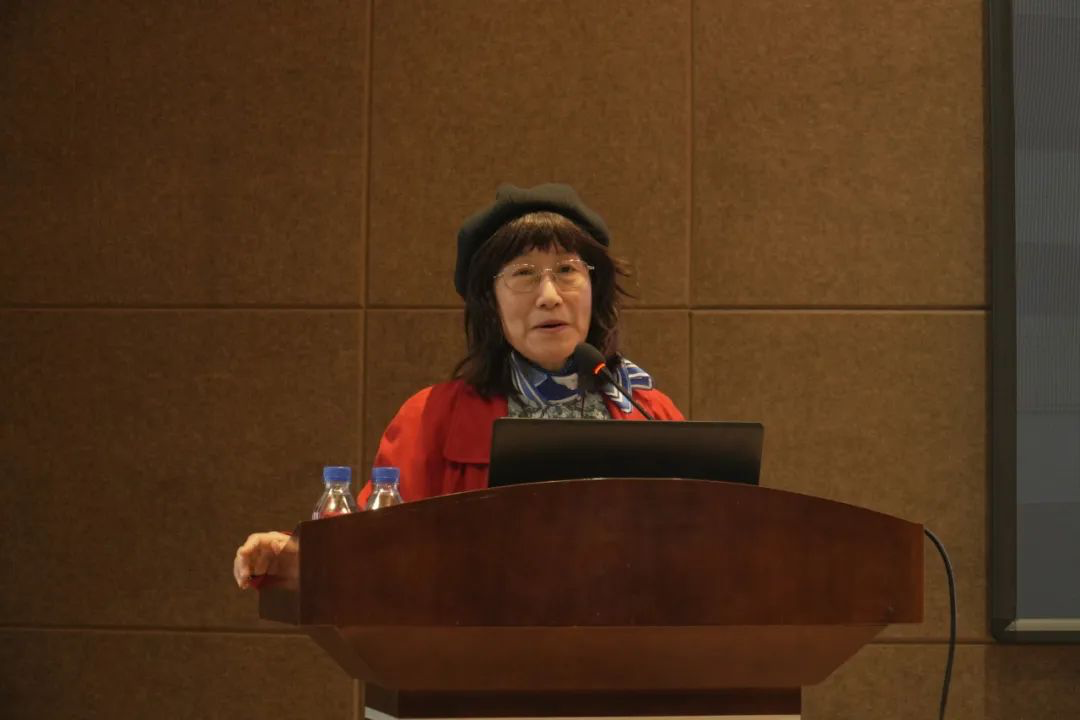
Lecture by Dr.Juan Lu-yin
Juan Lu-yin titled Color Magic and Application of Visual Perception, explained the qualities of vision, the importance of color, and the creation of vision and other related knowledge to the students and teachers in a lively and humorous style of lecturing. By combining practical cases in life, she made the abstract theoretical knowledge vivid and easy to understand, giving teachers and students a deeper understanding of color and vision.
After the lecture, the two experts conducted a round-table discussion on Perceptual Engineering and Vehicle Design & Discussion on the Implementation Path of Rural Revitalization under the Perspective of Cultural and Tourism Integration with the teachers of various majors in the School of Design, aiming to further promote the practical application and development of perceptual engineering, transportation design and cultural and tourism integration in rural revitalization through interdisciplinary communication and discussion.
The lectures and talks of the two professors broadened the academic horizons of teachers and students, created a good academic atmosphere, and deepened their understanding of the fusion of aesthetic perception and design application. JAI has always been committed to building a platform for teachers and students to communicate with industry experts face to face, helping teachers and students to understand the cutting-edge industry dynamics more directly, and to improve their professionalism and practical ability, and also encouraging teachers and students to continuously improve their own aesthetic ability and creativity, to innovate their design concepts, to improve the level of design, and to make a positive contribution to the school's academic exchanges and external cooperation.