On May 23, the 63rd China Higher Education Expo (HEEC) opened in Changchun, Jilin Province. As an interactive segment of the HEEC Education Power Forum, the seminar titled "A New Era of Animation: Interdisciplinary Symbiosis of Education, Technology, and Culture" was held at Jilin Animation Institute. Jointly organized by the Jilin Higher Education Society and Jilin Animation Institute, this seminar was conducted under the directive of the Provincial Department of Education to actively participate and in coordination with the HEEC Education Power Forum.The seminar aims to promote talent cultivation and the transformation of scientific and technological achievements, deepen industry-education integration across provincial universities, inject new momentum into the development of the animation industry, and contribute to the ushering in of a new era of animation. The event included three parts: an opening ceremony, keynote speeches, and a roundtable discussion.
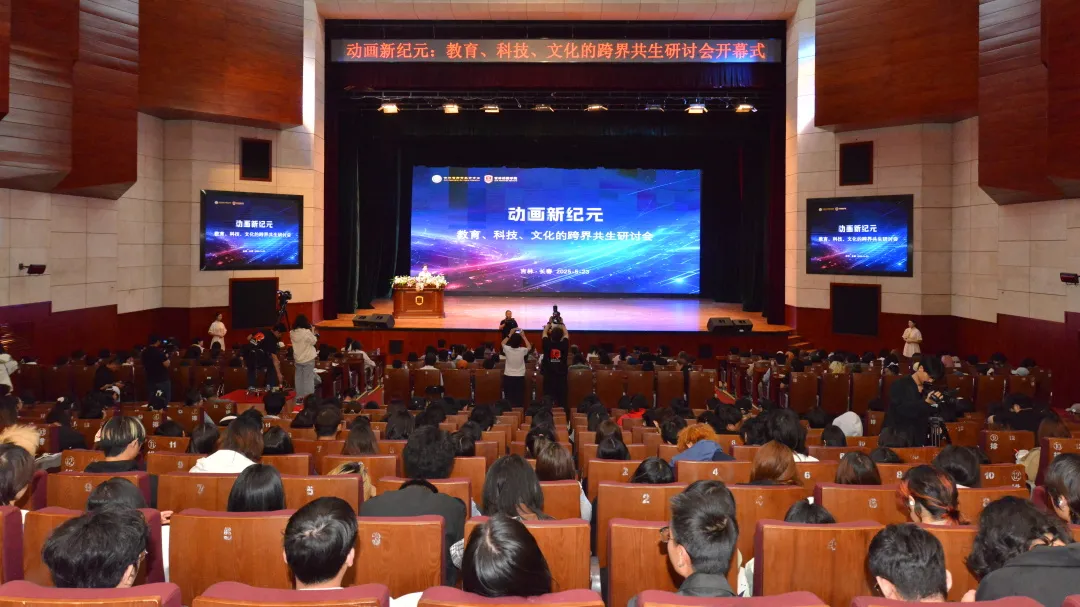
Seminar Scene
Attending the seminar were prominent experts and representatives including Lu Lianda, President of the Jilin Higher Education Society; Huang Xinyuan, Party Secretary, Professor, and Doctoral Supervisor of the Animation and Digital Arts School at Communication University of China, as well as Secretary-General of the Ministry of Education’s Animation and Digital Media Teaching Guidance Committee; Li Zhongqiu, Vice President of the International Animated Film Association (ASIFA) and Director of the International Joint Research Center for Digital Animation Technology at Jilin Animation Institute; Zhang Bin, Head of IP+AI Solutions at Baidu Intelligent Cloud’s Pan-Technology Business Unit; Zhang Zhiyong, Project Director and AI Process Lead at BaseFX; Fu Kun, General Manager and Producer at China Film NianNian (Beijing) Technology Co., Ltd.; Wei Shaoxiong, Manager of the Virtual Production Department at Beijing Disen Digital Entertainment Technology Co., Ltd.; Zheng Liguo, Chairman and President of Jilin Animation Institute; Liu Xin, Vice Chairman; Liu Zhenhua, Executive President; and other experts, scholars, and university-industry representatives. Opening remarks were delivered by Liu Xin and Lu Lianda. The opening ceremony was hosted by Liu Zhenhua, while the keynote speeches and roundtable discussion were chaired by Li Zhongqiu.
Opening Remarks at the Seminar: Fostering Animation Talent and Advancing Industry-Education Integration in the Age of AI
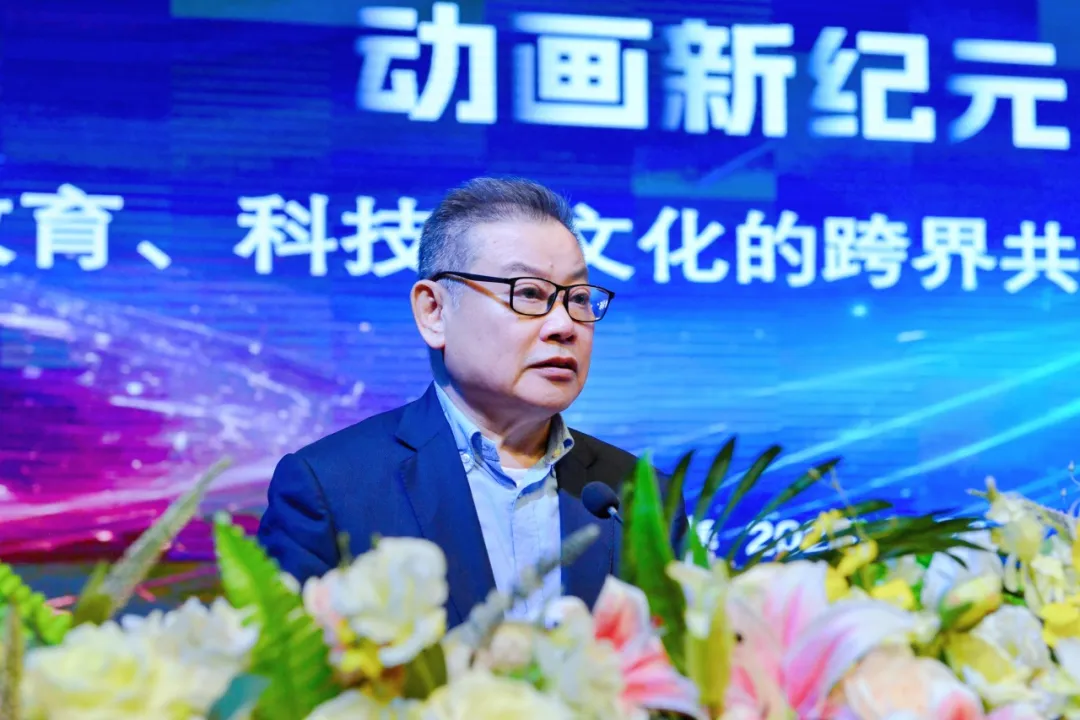
Opening Speech by Lu Lianda
Lu Lianda stated that in the context of rapid AI technological advancement and increasingly diverse cultural and artistic expression, higher education shoulders the important mission of cultivating interdisciplinary and innovative animation art talents. First, universities like Jilin Animation Institute should align with the national strategic framework, paying attention to regional development and the demand for outstanding talent, and clarify their educational directions to provide strong talent support for the transformation of the cultural industry. Second, greater efforts should be made to promote and publicize innovative practical achievements of higher education institutions, encourage cross-disciplinary integration between universities, deepen close university-enterprise cooperation, and cultivate innovative talents and teams. Third, institutions should adapt to the practical application orientation of AI development to seize early opportunities for growth. The Jilin Higher Education Society will support the high-quality development and advancement of higher education institutions in the province.
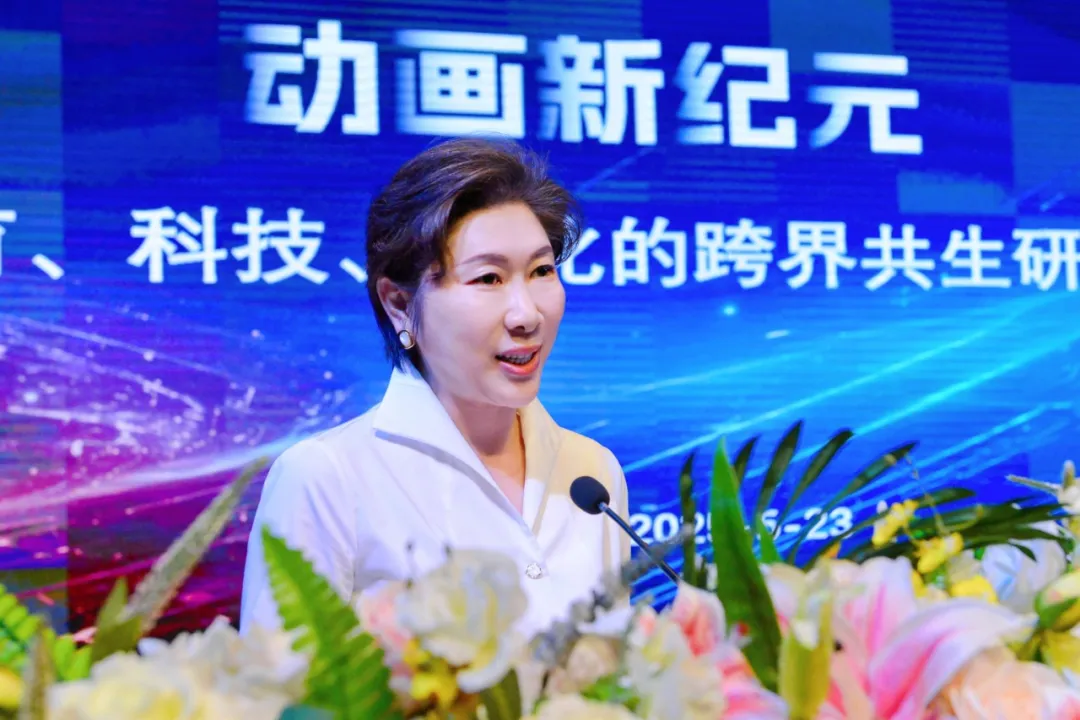
Speech by Liu Xin
Liu Xin stated that over the past 25 years since its founding, Jilin Animation Institute has closely aligned with the national strategies of building a **cultural, educational, scientific, and talent powerhouse**. The institute has consistently adhered to distinctive development, deepened industry-education integration, promoted innovation and entrepreneurship, established a national-level innovation and entrepreneurship academy, and continuously ensured the high-quality and sustained output of both students and creative works.
Currently, with the rapid development of artificial intelligence and the continuous upgrading of cultural consumption, the animation industry faces new opportunities and challenges brought by technological iteration and evolving consumer demands. The interdisciplinary integration and symbiosis of education, technology, and culture have become the core driving forces for animation talent cultivation, creative inspiration, technological innovation, content creation, and industrial development. She expressed the hope that this seminar would provide valuable insights and experiences to further inspire and guide the institute’s animation talent cultivation and creative production.
Keynote Report: Animation Talent Cultivation and Industrial Innovation Practice Driven by Digital Technology
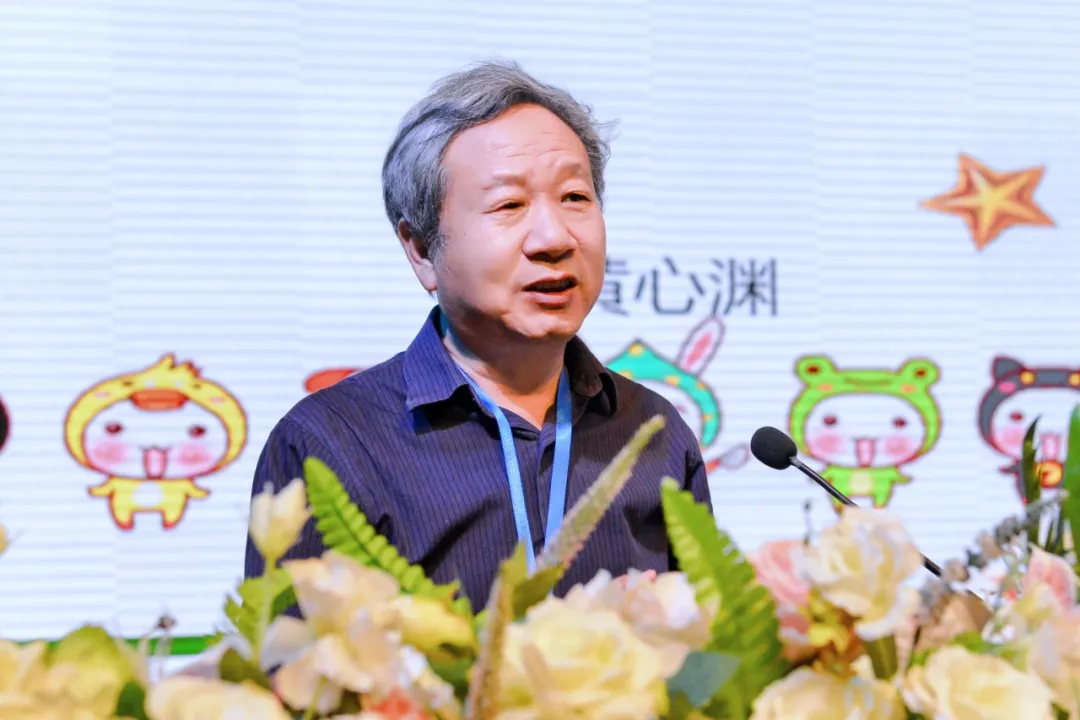
Keynote Speech by Huang Xinyuan
Huang Xinyuan explored the innovative pathways for animation talent cultivation amid the digital wave, starting from the integration of animation and technology and the relationship between technology and transformation. He proposed forward-looking and practical training approaches that offer valuable insights for the development of animation education. Since the 21st century, technologies such as artificial intelligence and virtual reality have moved from theory to practice, profoundly impacting the animation and gaming industries by enhancing expressiveness and immersion, and expanding the limitless possibilities of artistic creation.
Facing the rapid advancement of digital technologies, future education and professional curricula must keep pace with technological progress, incorporating AI literacy as a core component of education. Through interdisciplinary collaboration and breaking down disciplinary boundaries, the goal is to cultivate versatile talents who not only master animation skills but are also proficient in applying advanced technologies.
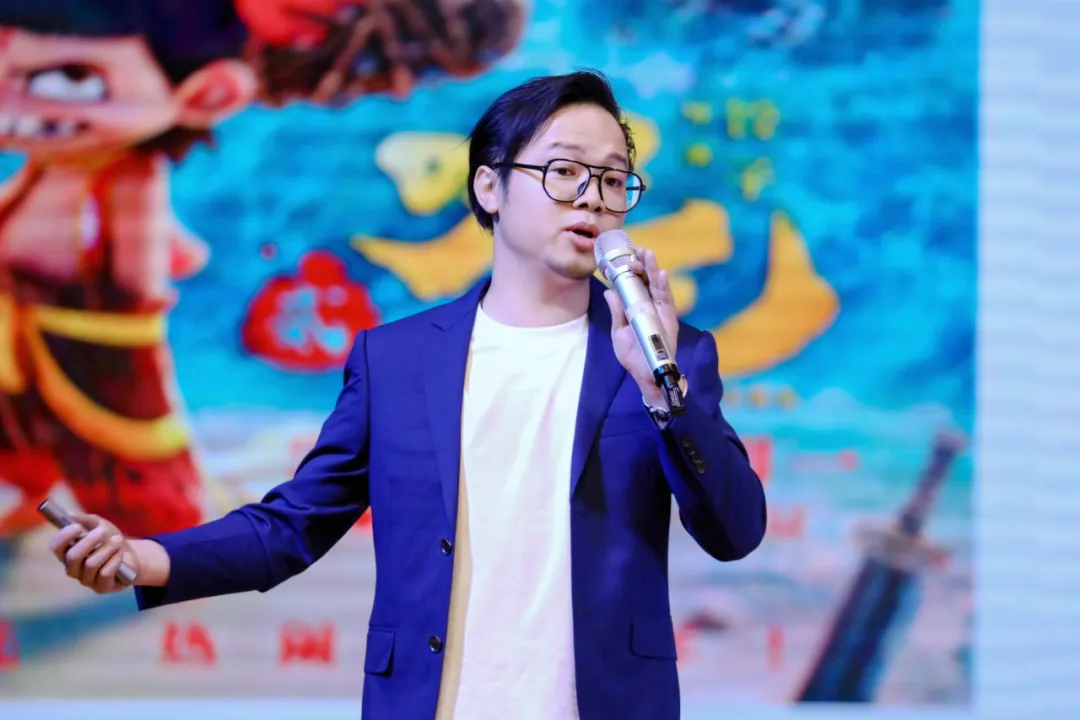
Keynote Speech by Zhang Zhiyong
Zhang Zhiyong stated that under the strategic framework of Digital China, technological and cultural innovation are deeply empowering the animation industry. Using examples such as Ne Zha, Wish Dragon, and Leap, he illustrated industry practices driven by technology: Ne Zha achieved complex visual effects through advanced technology and management processes; Wish Dragon leveraged Netflix’s reach across 191 countries to promote cultural export, blending Chinese elements with global storytelling; Leap employed CGI and live-action techniques to realistically recreate women’s volleyball matches, using technology to solve challenges in audience recreation and scene replication during filming. Looking ahead, the dual engines of "culture + technology" will remain the industry’s core, requiring the cultivation of interdisciplinary talents balanced in both technology and art. Enterprises and educational institutions must embrace new technologies to drive future development.
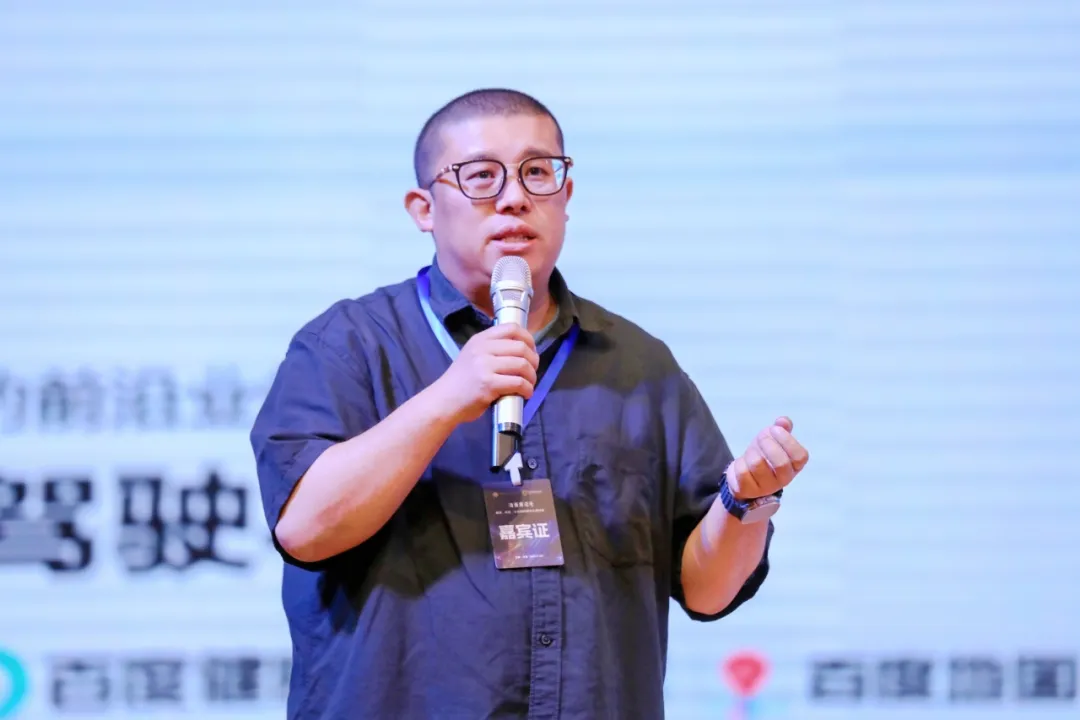
Keynote Speech by Zhang Bin
Zhang Bin focused on "Reconstructing Animation Creation Paths with Large AI Models," sharing practical experiences of integrating technology and industry. The Baidu Qianfan large model platform can convert scripts into storyboard scripts, generate characters and scenes through text-to-image synthesis, and then compose animated short films—applicable for traffic attraction, UGC content, and other scenarios. Technically, large language models can decompose script elements, multimodal models generate video materials, and multi-entity dynamic generation is supported. In application, AI accelerates IP expansion and monetization. For example, IPs like Black Myth: Wukong and Nezha leverage AI to create intelligent interactive products, enabling characters to engage in dialogues. Looking ahead to animation education, Zhang Bin pointed out that AI will reshape talent competency structures. Baidu is willing to collaborate with universities to establish laboratories, develop practical training courses, and promote the integration of industry, education, and research—empowering animation industry innovation through technology.
Roundtable Forum: Empowering Industrial Innovation and Development through Animation Education Key Insights from the Panelists
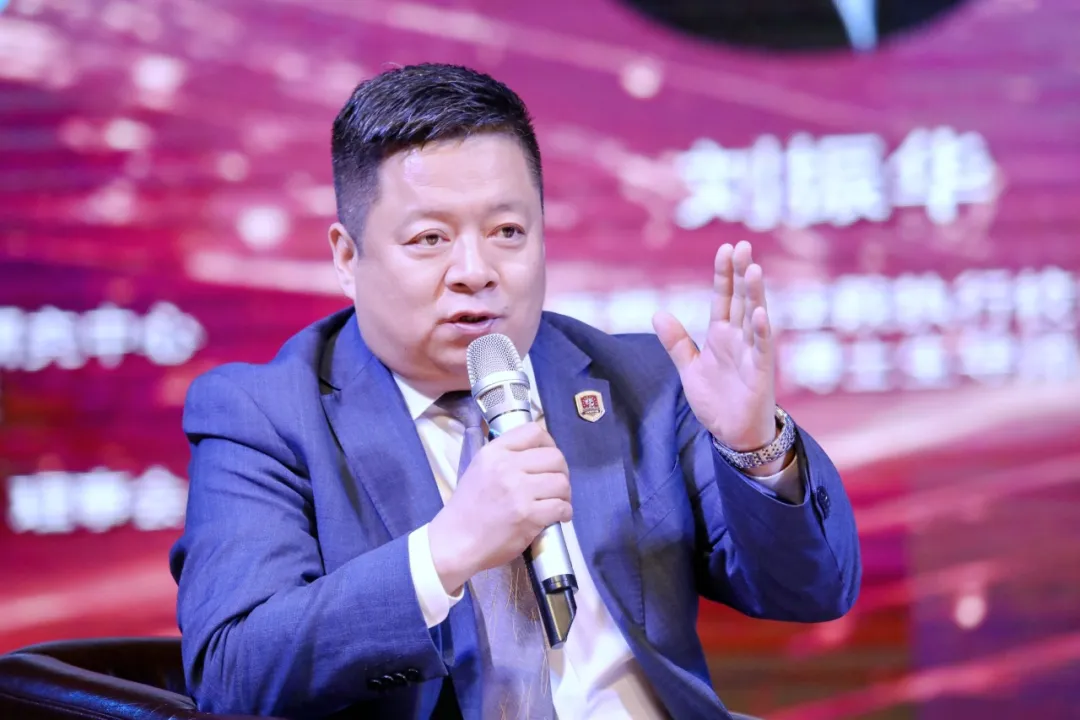
Animation is the art of light and shadow, and also the intersection of future and dreams. This seminar focused on cutting-edge topics of interdisciplinary symbiosis among animation industry education, technology, and culture. It not only outlined innovative directions for the animation industry amid technological transformation but also provided practical references for industry-education integration and talent cultivation in universities. Looking ahead, we hope this seminar will serve as a catalyst to strengthen the foundation of education, activate innovative momentum, ignite technological engines, forge cultural wisdom, and jointly create a new chapter of high-quality development for the animation industry!