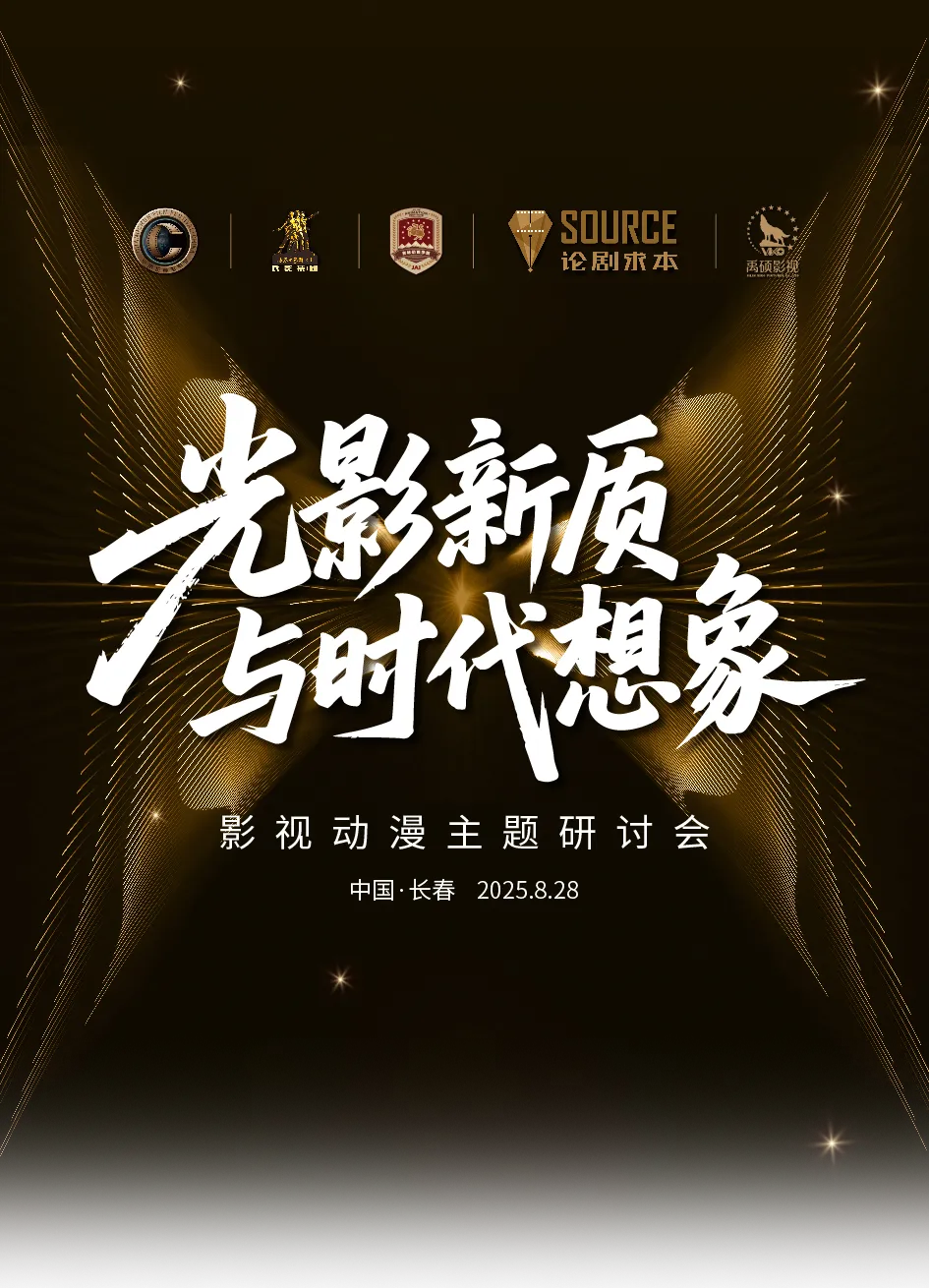
On the afternoon of August 28, coinciding with the 120th anniversary of Chinese cinema and the 80th anniversary of Changchun Film Studio, one of the major cultural events of the 20th China Changchun Film Festival—the seminar on “New Dimensions of Film and Television: Light, Shadow, and the Imagination of the Times”—was successfully held at Jilin Animation Institute. The seminar was guided by the China Film Association, the Xia Yan Film Society of China, the Jilin Provincial Film Bureau, and the Organizing Committee of the 20th China Changchun Film Festival, and co-hosted by Changchun Film Group Co., Ltd., Jilin Animation Institute, the Changchun Municipal Ethnic Affairs Committee, and Jilin Jidong Yushuo Film & Media Co., Ltd.
The seminar aimed to thoroughly implement the spirit of General Secretary Xi Jinping’s reply to eight film artists, including Tian Hua, by strengthening the deep integration of film, television, and animation. It sought to promote a positive interaction among academic research, creative practice, and industry development, stimulate the creative vitality of young students, and facilitate the flow and renewal of human spiritual values across media such as film and animation. The event featured an opening ceremony, keynote speeches, and roundtable forums, bringing together industry leaders, academic experts, and young students to explore new paths for the development of film and animation.
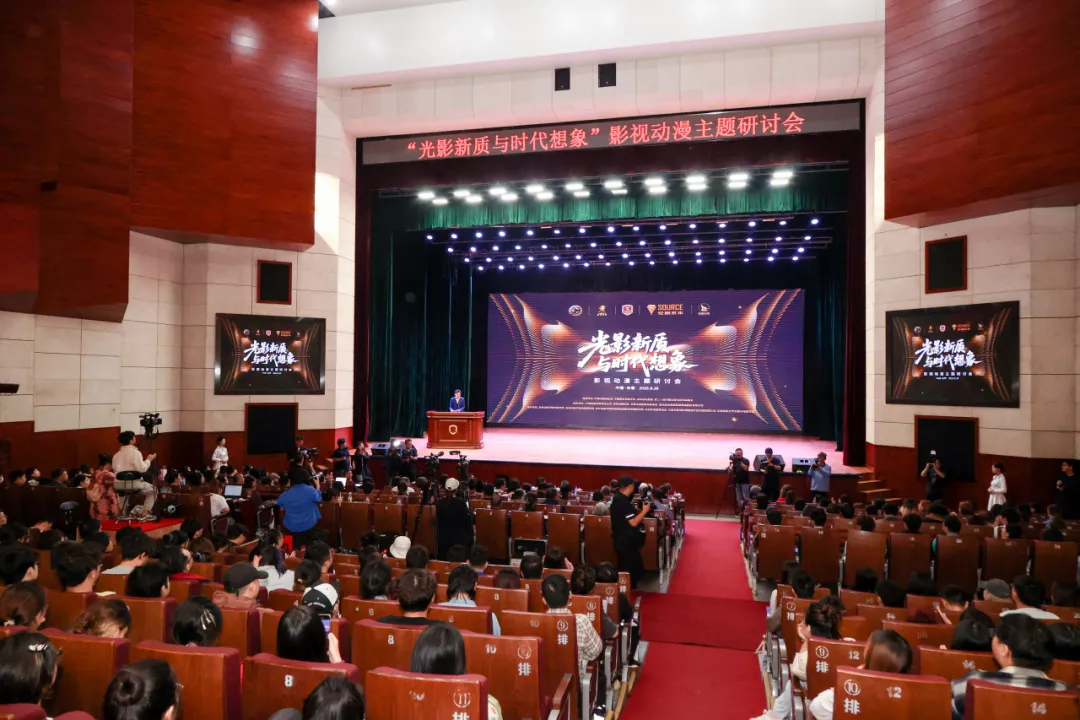
The opening ceremony was attended by Wu Yuedong, Deputy Minister of the Publicity Department of the Jilin Provincial Party Committee; Xue Changxu, member of the Party Leadership Group of the China Film Association; Zhuang Yan, Party Secretary and Chairman of Changchun Film Group; Liu Wei, Deputy General Manager of Changchun Film Group; Wang Fei, Deputy Minister of the United Front Work Department of the Changchun Municipal Committee and Director of the Changchun Municipal Ethnic Affairs Committee; Wu Jun, Deputy Minister of the Changchun Municipal Publicity Department; Zheng Liguo, Chairman and President of Jilin Animation Institute; Yue Wu, Party Secretary and Supervisory Commissioner of the Institute; and Liu Xin, Vice Chairman. Renowned director Li Shaohong, Central Academy of Drama professor and film planner Lu Haibo, researcher of the China Film Art Research Center Huangfu Yichuan, Communication University of China professor Suo Yabin, General Manager of Hungarian company Image Asia Victoria, senior art designer and animation director Weng Ming, and animation director Hu Rui also attended. Wu Yuedong, Xue Changxu, Zhuang Yan, and Zheng Liguo delivered speeches.
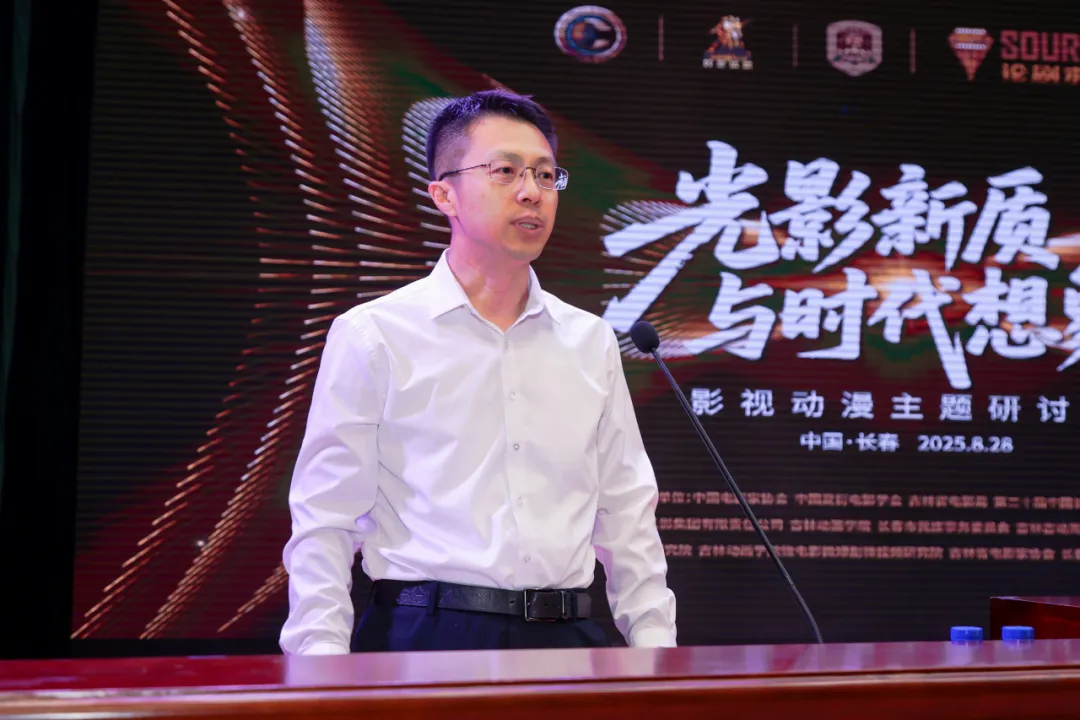
Speech by Wu Yuedong
Wu Yuedong pointed out that Jilin is the cradle of Chinese cinema, and the province has supported the development of the industry through policy measures, establishing a complete ecosystem that spans from talent cultivation to IP management. Empowered by technology, traditional, regional, and distinctive cultures are being expressed in entirely new ways, and authentic stories now have innovative carriers. Virtual reality and digital human technologies have opened up limitless possibilities for the integration of film, television, and animation. From animation derived from film and television IPs to animation characters empowering cinematic storytelling techniques, the boundaries between artistic forms are gradually being broken down, meeting audiences’ expectations for diverse cultural products. He noted that Jilin Animation Institute, as a nationally renowned base for cultivating animation talent, has, in its 25 years of establishment, produced more than 60,000 outstanding graduates for the animation and film industry both in China and globally, injecting fresh talent into the sector. By hosting two consecutive animation conferences, the Institute has become a key hub for industry collaboration and a driving force in the integration of film and animation in Jilin.He expressed his hope that this seminar would serve as a catalyst for the collision of ideas and culture, that participants would leave their research outcomes and cutting-edge concepts in Jilin, and that, together, more creativity could be transformed into works, more collaborations could be realized as projects, and Jilin could become a testing ground for innovative development in animation and a new highland for achievement commercialization.
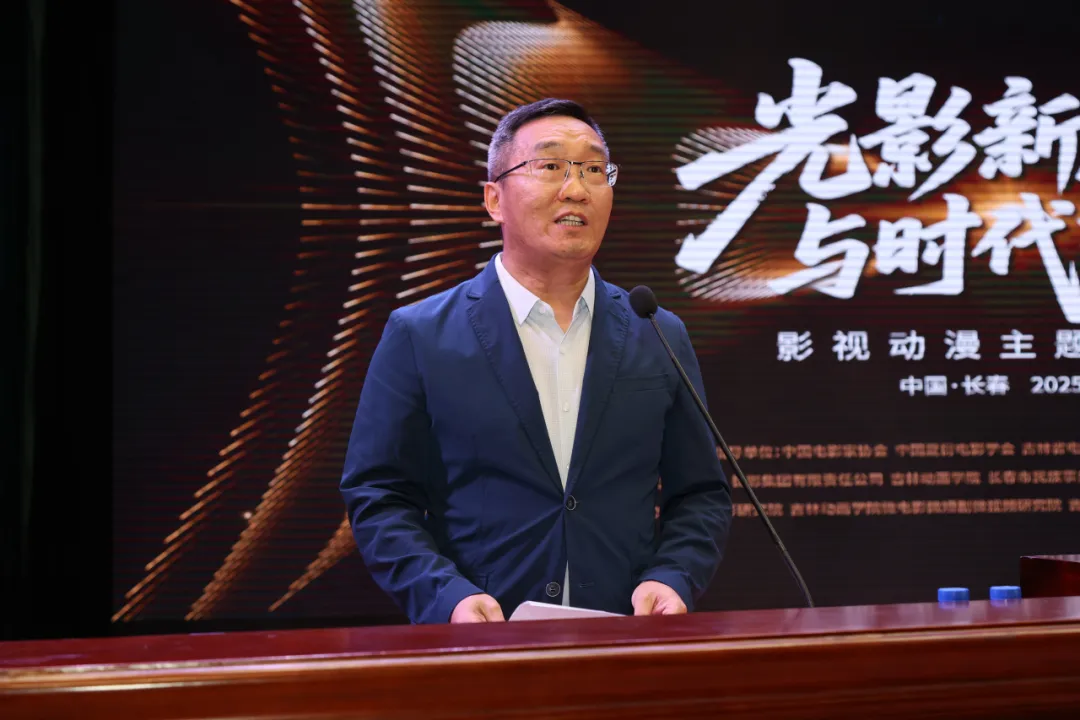
Speech by Xue Changxu
Xue Changxu stated that in recent years, Chinese animation filmmakers have maintained a vigorous spirit, adhering to the principle of innovation while preserving integrity. They have continuously expanded artistic perspectives and pioneered new creative methods, producing a series of high-quality works that have earned both critical acclaim and market recognition. These works not only testify to the brilliance and heritage of Chinese animated films but also strongly contribute to the development of China as a leading film nation. He highlighted the Frog Kingdom series of outstanding animated films produced by Jilin Animation Institute, which, rooted in regional characteristics and traditional culture, fully showcase robust creative vitality and exceptional cultural potential. This year marks the 120th anniversary of Chinese cinema, and the thriving Chinese animation industry demonstrates, with renewed vigor, the broad prospects for future development. He expressed his hope that experts and scholars would provide professional and constructive advice on the deep integration of film, television, and animation, focusing on new dimensions of light, shadow, and the imagination of the times. He also encouraged practitioners in the film and animation sectors to continue pioneering and innovating, constantly enhancing the creative productivity, market brand strength, and social influence of Chinese animated films, and to continue writing the brilliance and splendor of Chinese animation in the new era and new journey.
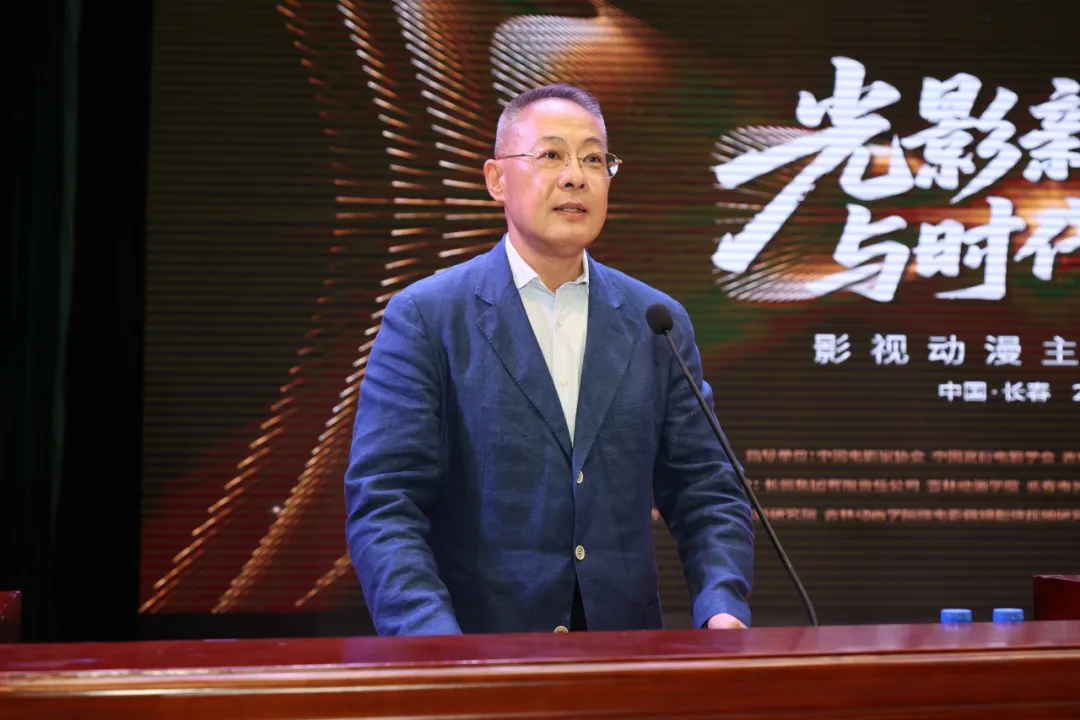
Speech by Zhuang Yan
Zhuang Yan stated that animated films are an important direction in today’s film and television industry. This year, the release of Ne Zha: The Devil’s Birth set a new benchmark for domestic films, providing filmmakers with fresh inspiration and new goals. He expressed his hope that industry experts at the seminar would deeply explore new issues, trends, methods, and values in the integration of film, television, and animation, offering constructive and practical theoretical guidance for Chinese cinema and the film economy. The goal is to explore and enrich the construction of China’s film art system in the new era and to tell Chinese stories effectively. Praised as the “cradle of China’s animation and game talent,” Jilin Animation Institute has achieved remarkable success in cultivating talent for animation and film production, making it an important force in the development of the animation and film industry. Living in a time of rapid growth for China’s film and television sector, he called on everyone to join hands, strengthen cultural confidence, enhance cultural awareness, adhere to innovation while preserving core values, and promote resource sharing, thereby making new and greater contributions to the cause of Chinese animation and film.
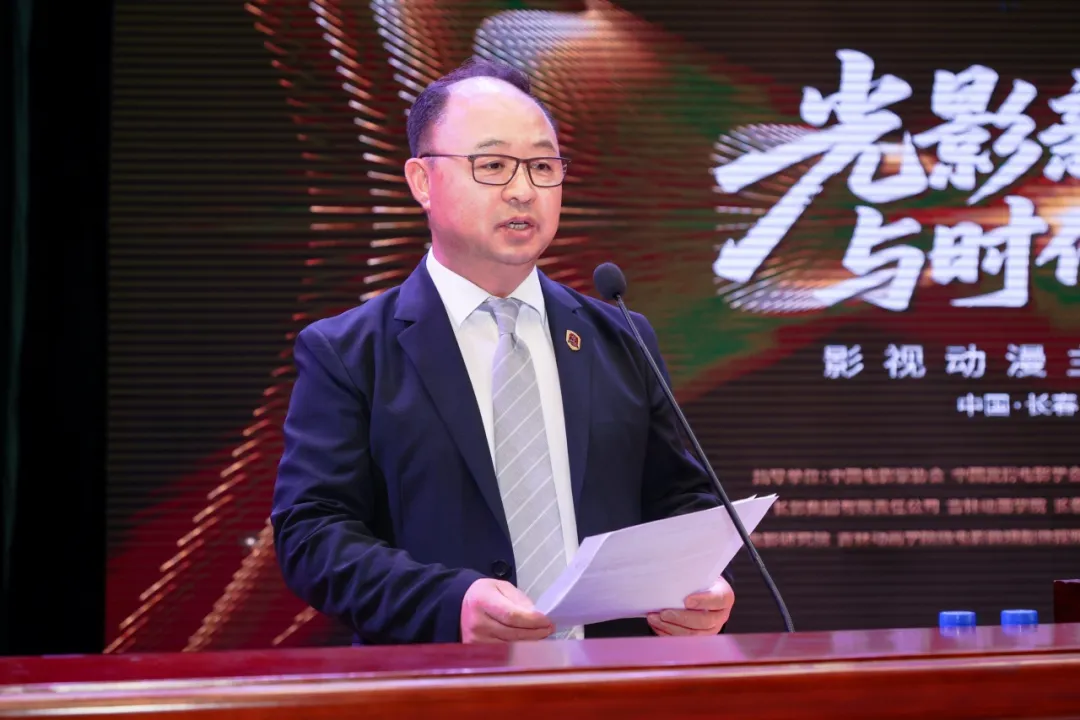
Speech by Zheng Liguo
Zheng Liguo stated that Chinese cinema is not only a witness to the changes of the times but also a shaper of national spirit and a promoter of cultural confidence. Today, with the deep integration of film, television, and animation, many outstanding filmmakers are using new technologies to reshape Eastern aesthetics and employing animation to present traditional elements, allowing Chinese civilization to reach the world in a more vibrant and diverse manner, earning broad international recognition and acclaim. For 25 years, Jilin Animation Institute has been committed to bringing together industry experts, leading professionals, international talents, and dedicated artists to ignite artistic dreams for generations of aspiring young people and pass on the torch of creativity, cultivating a continuous stream of new talent for the high-quality development of China’s cultural cause and cultural industry. By signing a strategic agreement with Changchun Film Group, the Institute aims to jointly build talent, professional, innovation, industry, and consumption chains under the integration of technology and art, creating a “Light & Shadow Overpass” that connects creativity, production, education, and industry. This innovative collaboration in talent cultivation seeks to write a new cinematic epic in the era of “technology and art integration.”
After the opening ceremony, Lu Haibo, Victoria, and Weng Ming delivered keynote speeches titled “Upholding Integrity and Innovation, Empowering with Technology, and Creating a New Landscape for the International Dissemination of Chinese Animated Films with National Aesthetic Style,” “Bridging Film Arts to Promote Sino-Hungarian Film and Cultural Exchange,” and “Love and Hope: Animation Art Design,” respectively. Li Shaohong, Suo Yabin, Weng Ming, and Hu Rui participated in a discussion under the theme “Breaking Through in Film and Animation through Inheritance and Innovation,” exchanging views on challenges and breakthrough directions in the integration of film and animation, providing diverse ideas for industry development. Huangfu Yichuan chaired the roundtable forum.
From the inheritance of cinematic traditions to new qualities in animation, and from local creation to an international perspective, every session reflected participants’ passion and expectations for the film and animation industry. At this new historical starting point, the deep integration of film, television, and animation is an inevitable trend, serving as a vital path for inheriting human spiritual values and promoting the prosperity of Chinese culture. The successful hosting of the seminar on “New Dimensions of Film and Television: Light, Shadow, and the Imagination of the Times” not only provided a platform for academic exchange and practical collaboration in the film and animation industry but also inspired the creative enthusiasm of young students, injecting new momentum into the high-quality development of the sector.