Recently, Jilin Animation Institute specially invited Anthony Wong, a senior director from Pixar Animation Studios, to host two thematic academic lectures and one seminar. Focusing on animation story creation, narrative techniques, film language, and character development, the events shared cutting-edge industry insights with over 400 faculty, students, and employees from affiliated industrial companies.
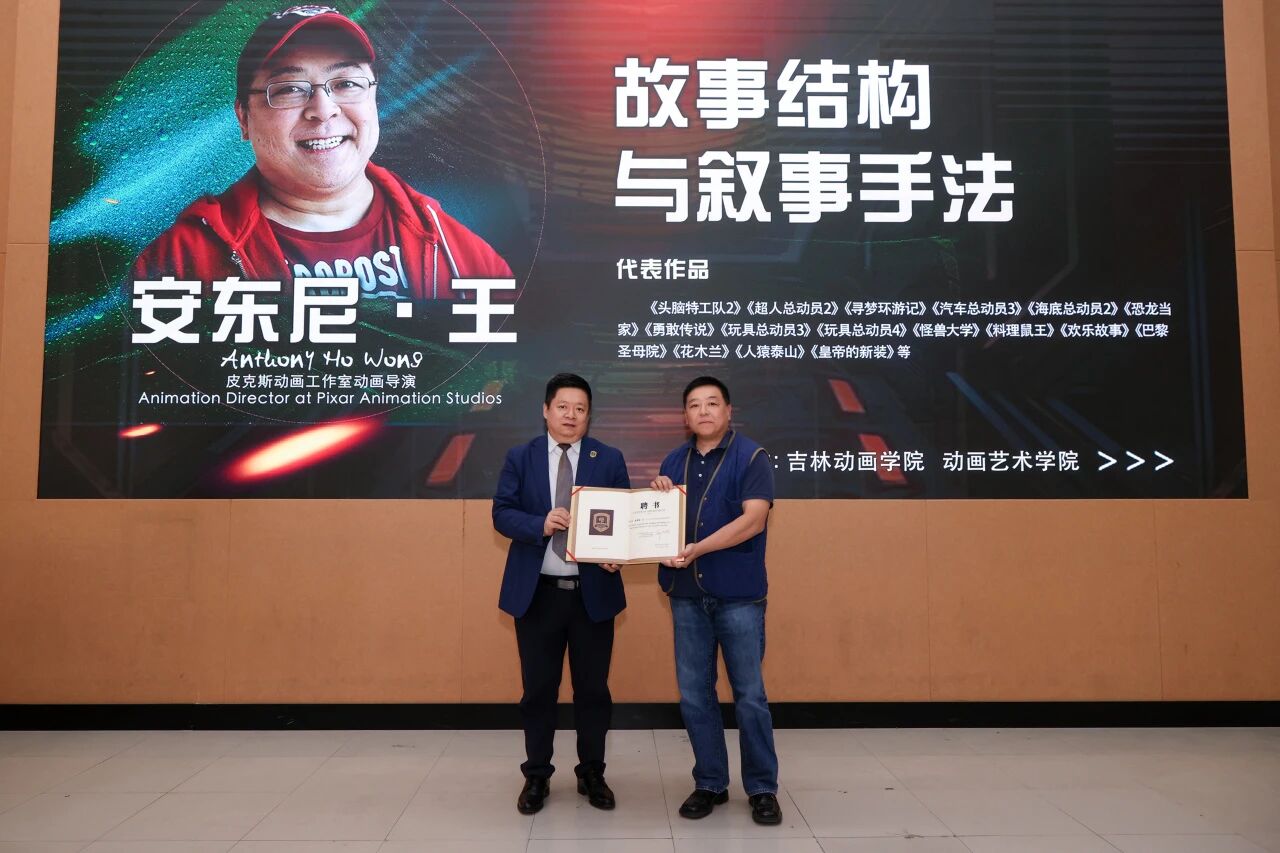
Liu Zhenhua awarded Anthony Wong the letter of appointment as a Guest Professor
During the visit, Liu Zhenhua, Executive President of the institute, awarded Anthony Wong the letter of appointment as a Guest Professor. It is expected that this cooperation will drive new breakthroughs in the university’s specialty construction, talent cultivation, teaching and research, and artistic creation.
As a senior expert in the animation industry, Anthony Wong boasts over 10 years of creative experience at Disney Animation and more than 20 years at Pixar Animation Studios. He has been deeply involved in the production of numerous world-renowned animated works, such as Inside Out 2, Incredibles 2, Coco, Finding Dory, Toy Story 3, and Ratatouille.His rich practical experience and industry insights have endowed this academic exchange with profound depth and value.
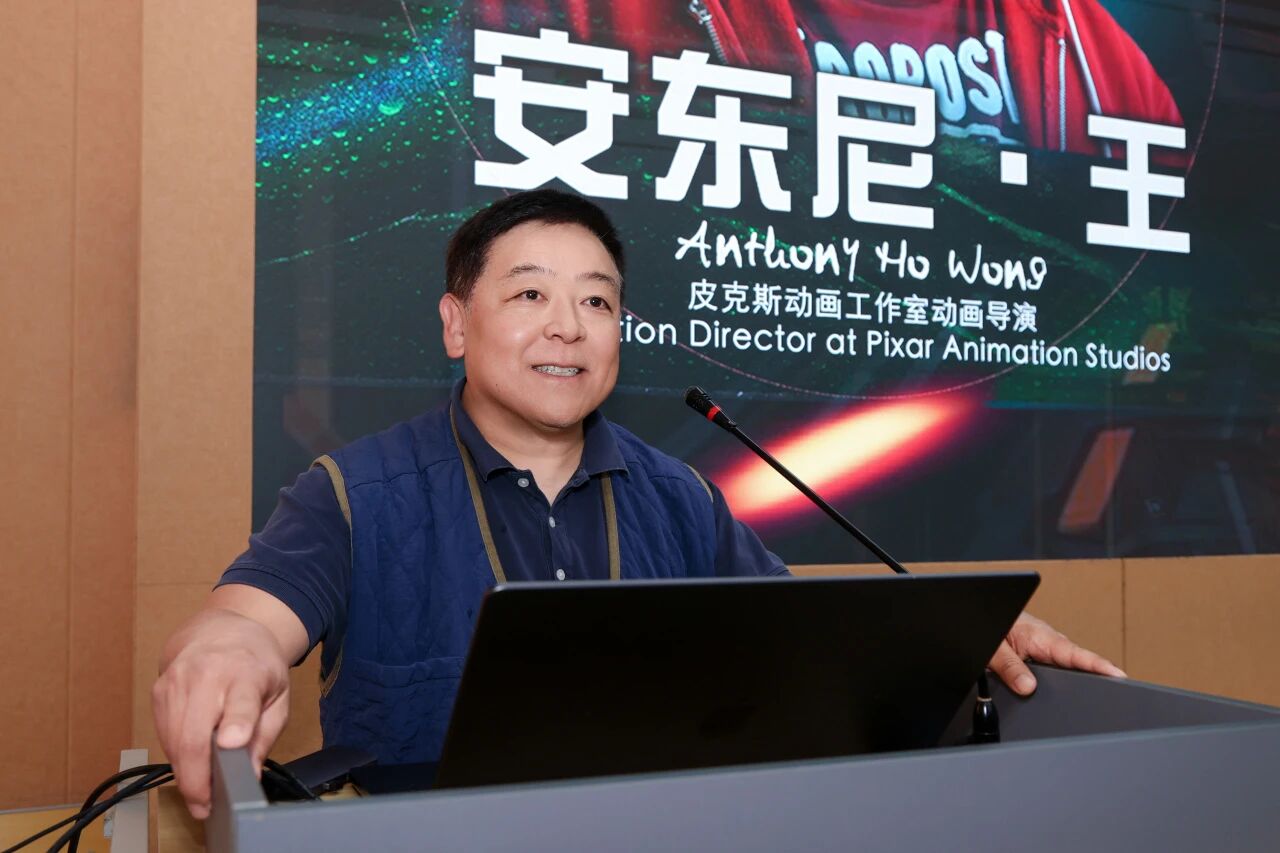
academic seminar
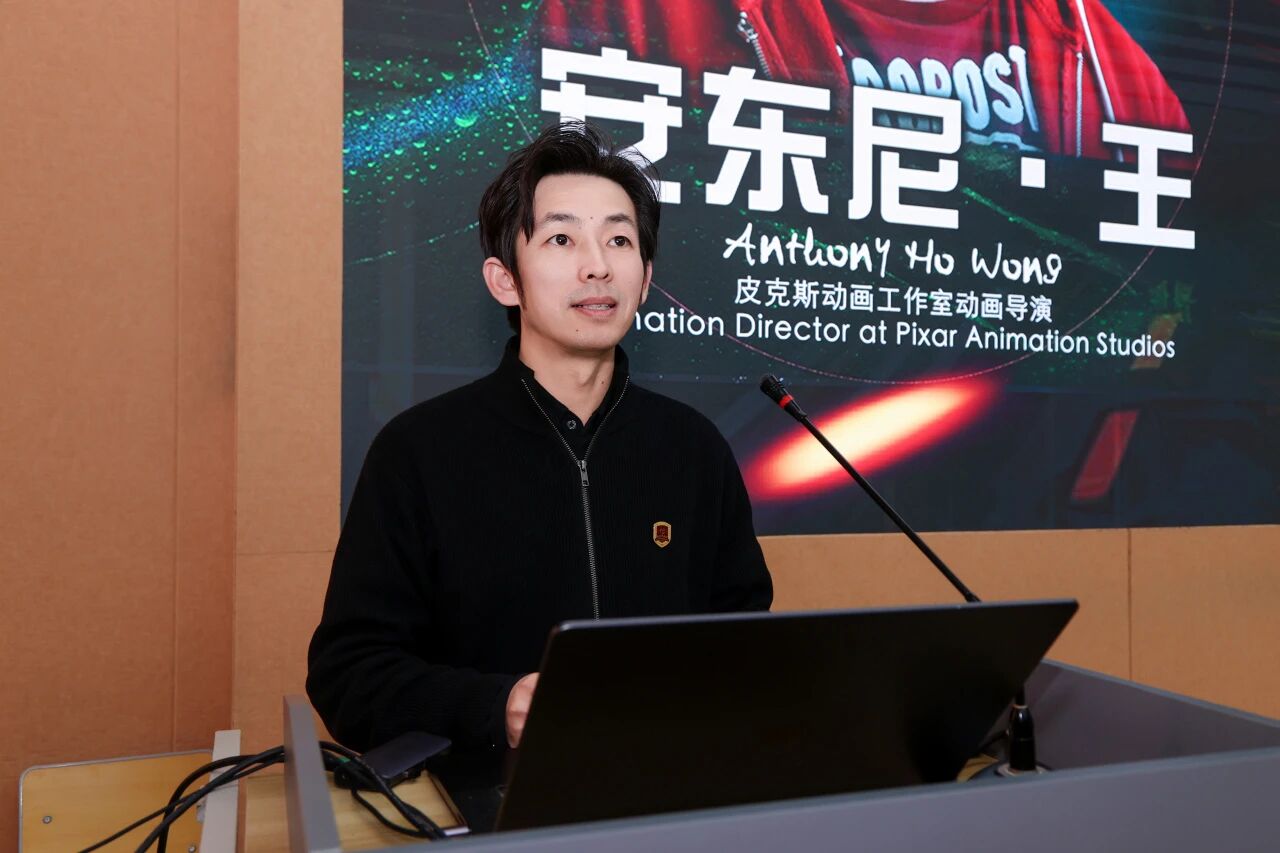
Deputy Vice Dean Du Chuanyong ofSchool of Animation Art'shosts the seminar
In the two academic lectures titledStory Structure and Narrative Techniques and Film Language and Character Research, Anthony Wong shared the core essence of animation creation based on his extensive experience. He stated that touching stories stem from real life experiences and meticulous observations, emphasizing that creation should uphold love and original aspirations to convey profound connotations through character transformations and emotional interactions. Regarding animation performance, he offered core advice: emotional movements must be captured based on real experiences. He further elaborated on animators’ key responsibilities, such as visual guidance, rhythm control, and physical simulation, while highlighting that teamwork plays a more critical role in large-scale animation productions.
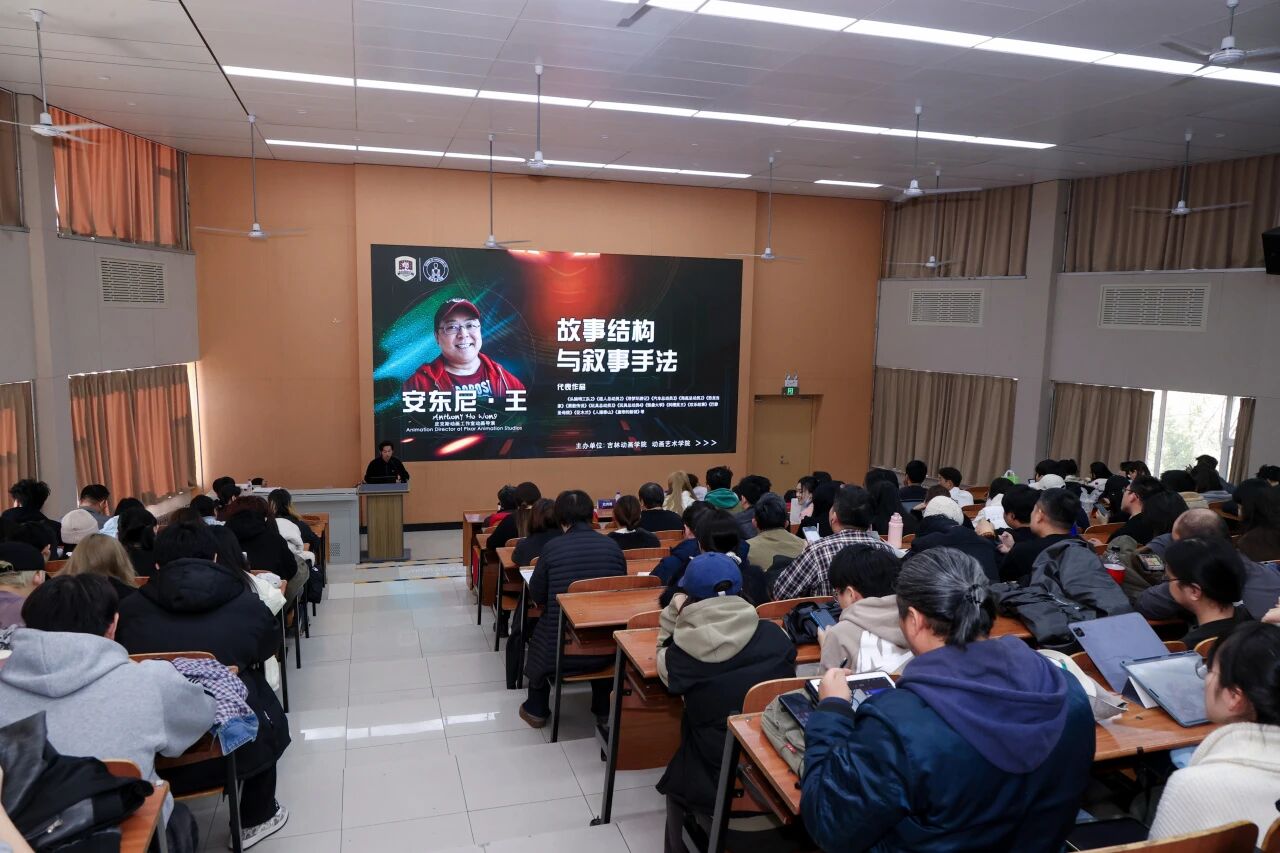
academic lecture's site
Anthony Wong pointed out that Western film and television creation focuses on character conflicts, while Eastern works emphasize symbolic representation. Taking his directed short films One-Way Journey and The Backas examples, he conducted an in-depth analysis of the ingenious integration of symbol application, suspense construction, and narrative structure. He proposed the "2+2" narrative method, advocating for the gradual revelation of information through details to encourage audiences to actively piece together the complete story. Additionally, he shared successful experiences in remote collaboration with international small teams, demonstrating the boundless possibilities of cross-cultural creative integration. He also provided practical skills for character development, emphasizing that successful characters must possess diverse traits to enhance three-dimensionality through internal ideological activities and changes in positional relationships.
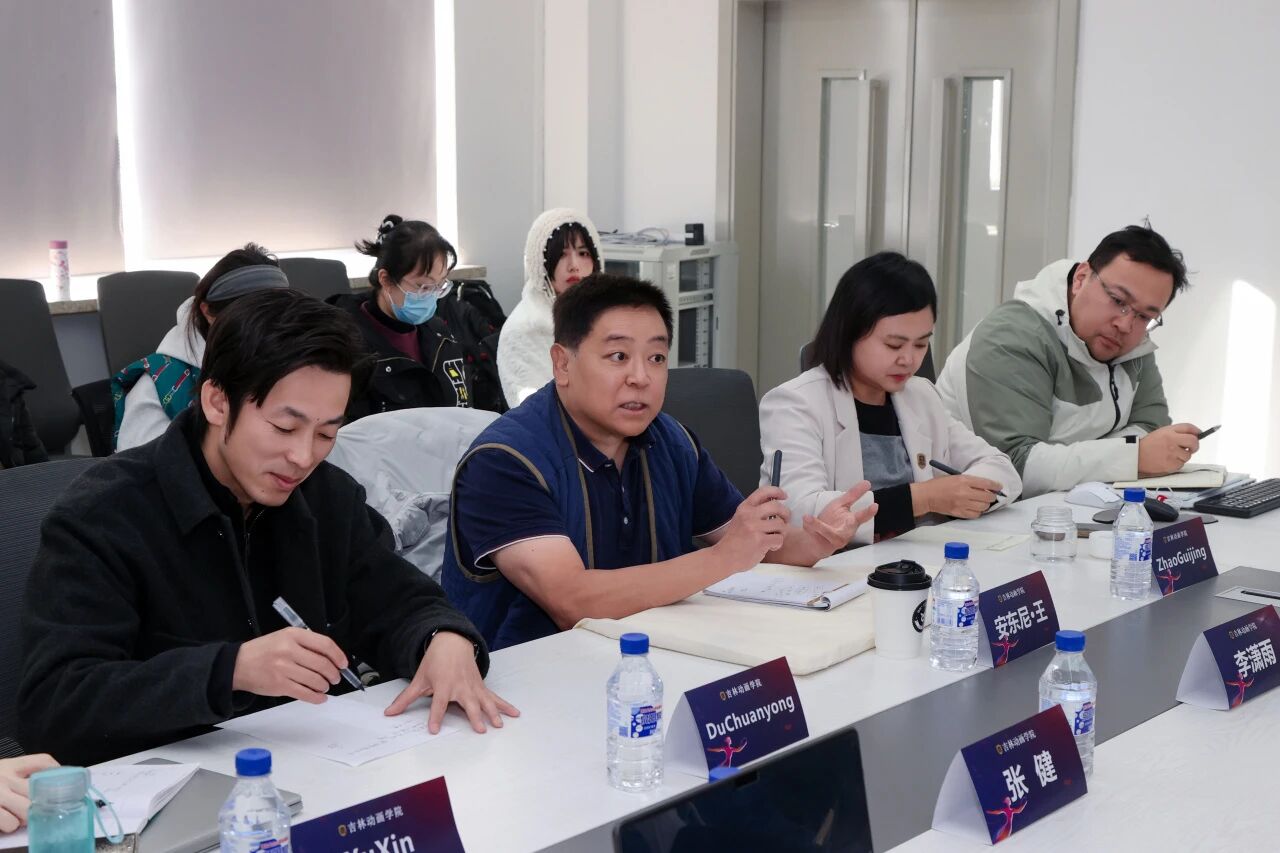
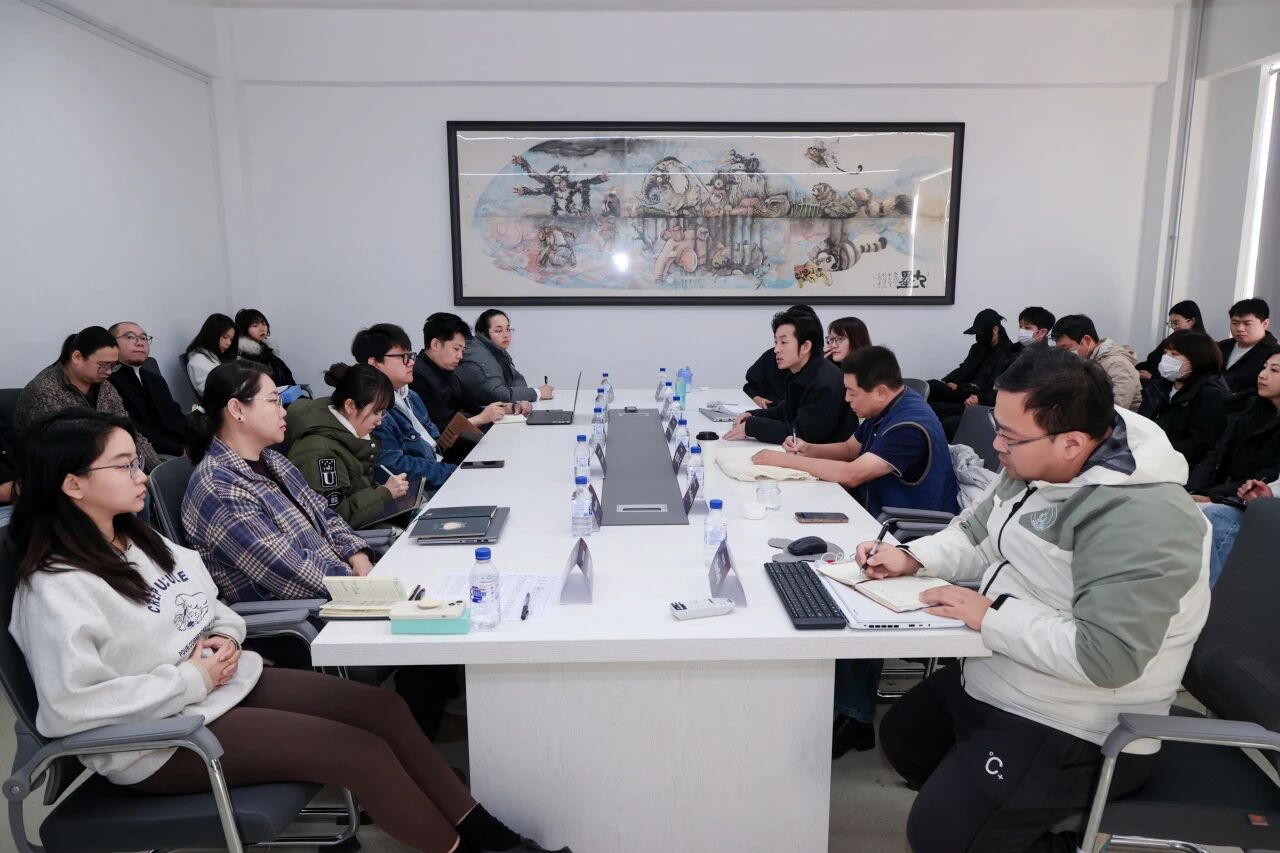
academic seminar's site
At the academic seminar themed "International Animated Film Creation and Innovative Development Paths", Anthony Wong engaged in in-depth exchanges with university teachers on topics including professional talent cultivation, teaching practice, the cultural core of works, content innovation, and technological innovation, putting forward specific suggestions for key areas. In terms of technology application, he recommended that undergraduate students first consolidate their foundation in painting and artistic accomplishment before gradually integrating software operation. Regarding work evaluation criteria, he emphasized the need to balance artistry, technical completion, and emotional resonance. For children’s literature creation, he proposed combining regional culture with audience psychology to convey positive values and demonstrate social responsibility through thematic expansion and humor. In fostering students’ creative motivation, he advocated for a student-led teamwork model to stimulate internal potential through continuous practice.
During his visit, Anthony Wong also toured Jilin Animation Institute’s History Museum, the Exhibition of Fine Comic Manuscripts, and the Centennial Exhibition of Chinese Animation. He highly praised the university’s achievements in animation education and cultural inheritance.
This series of academic exchange activities not only built a platform for teachers and students to communicate directly with international masters but also introduced cutting-edge international creative concepts and teaching methods to the campus. It has injected new vitality into the university’s efforts to build a practical teaching and industry-education integration system and improve the level of specialty construction. In the future, Jilin Animation Institute will continue to deepen international exchanges and cooperation, gather high-quality global industry and educational resources, strive to build a distinctive animation specialty brand and a multi-level, multi-channel international cooperation system, and cultivate more outstanding talents with professional competence and international perspectives for China’s animation industry.