On September 8, the campus youth micro-drama Don’t Stand So Close to Me officially began production, with its first scene filmed successfully that day. The series is co-produced by Jilin Animation Institute, Jilin Jidong Yushuo Film and Television Media Co., Ltd., and Tomato Novel. Its core creative team is made up of the Institute’s faculty and students. The project is another step in the Institute’s efforts to deepen industry–education integration and connect classroom learning with professional practice.
Adapted from the popular novel of the same name by “Jian Feng Bu Jian Yu,” a contracted author on the Tomato Novel platform, the series is expected to stream on the Hongguo Short Drama platform. It is the seventh micro-drama that Jilin Animation Institute has led or co-produced, reflecting the Institute’s continued work in screen content creation and the growing maturity of its approach to industry–education integration: using real projects to enrich teaching and hands-on work to help students grow.
Under the Blue Sky, Youth Takes Flight
Bringing Aviation Dreams to a Campus Story
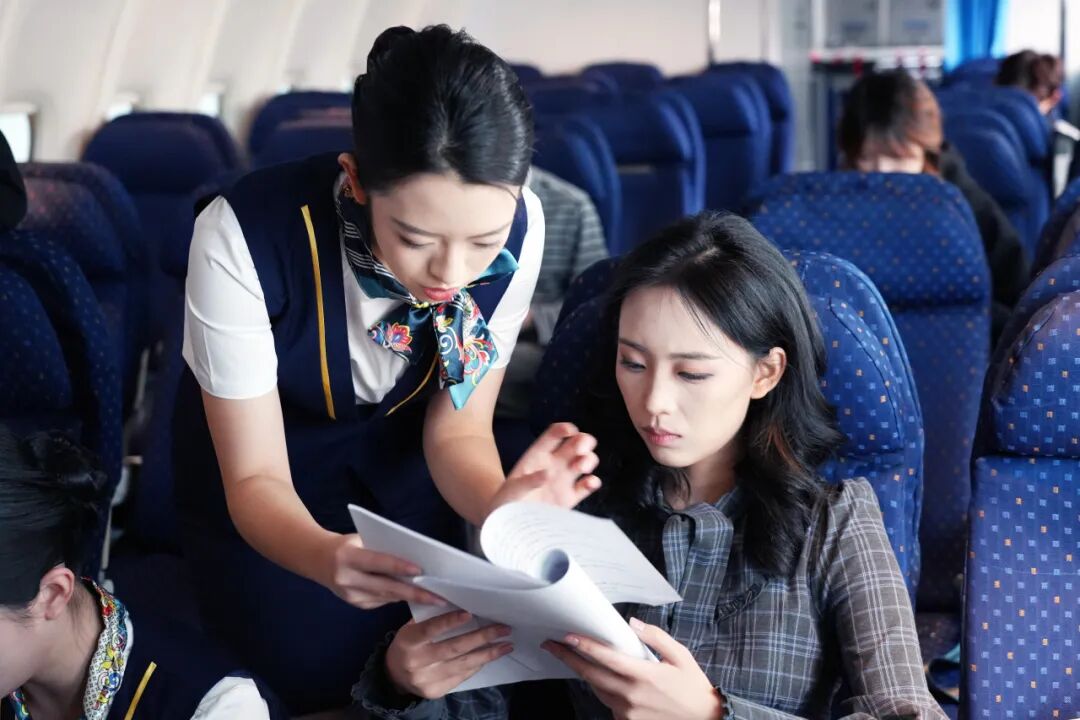
Don’t Stand So Close to Me follows young students at an aviation college as they pursue their dreams and grow through challenges. The female lead hopes to become an airline captain, while the male lead specializes in aircraft mechanical engineering and is committed to safeguarding flight safety through skilled, meticulous work.
The story goes beyond campus life and personal ambition. It weaves a sense of responsibility to the country—embodied in civil aviation—into everyday challenges such as simulator retraining and aircraft troubleshooting. Between the control tower and the dormitory, the series portrays young people whose passion is matched by a strong sense of responsibility.
It is both a record of the lives of young civil aviation students and a portrait of their efforts to turn their ambitions into reality in service of the country.
The Set as a Classroom
Training Screen Professionals to Industry Standards
With the lights on and cameras ready, the aircraft simulator becomes the setting for a story about youth and the skies. Drawing on its industry–education practice platform, Jilin Animation Institute continues to develop its comprehensive teaching system for industry–education integration and immersive, on-set training across the screen production pipeline.
The project brings together a young directing team and involves students in every stage, from script adaptation and filming to post-production. Students from acting, directing, cinematography and production, sound recording, and other programs work together on a real production, experiencing the pace and collaboration of a professional film crew. Faculty and students create side by side, while industry practice helps shape teaching.
The project follows industry standards throughout. From production coordination to post-production compositing, students receive professional support from the Institute’s film and television post-production service platform. Through a cycle of learning by doing, they develop their craft and gain a deeper understanding of professional practice. Every step, from developing an idea to delivering the finished work, strengthens their professional skills; every collaboration helps them understand how the industry operates.
The classroom becomes the set; the finished work becomes the answer. When teaching and industry move forward together, students become creators in their own right. The path from campus to industry becomes a practical route for professional growth.
Production Kick-Off Meeting
Balancing Filming Quality with Teaching Outcomes
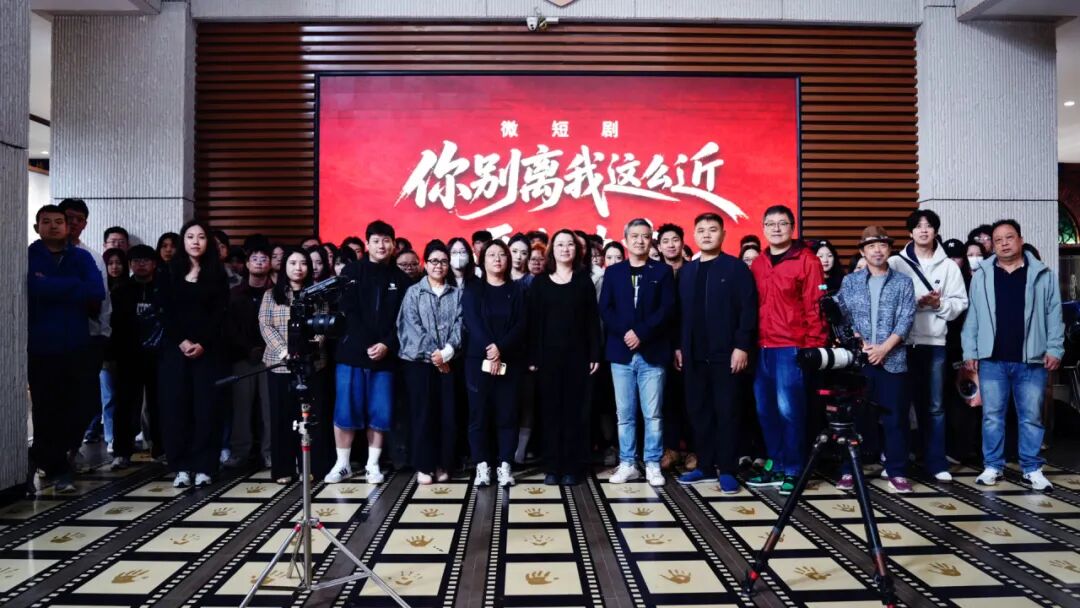
Before filming began, the production team completed costume and makeup photography and held a project kick-off meeting. The discussion focused on two priorities: the quality of the production and the effectiveness of the learning experience. The team set out to develop students through hands-on work while maintaining robust safety procedures. Staffing, equipment, on-set management, and risk planning were reviewed and assigned clear follow-up actions to keep production and teaching on track.Director Xu Yunfan discussed the script’s central themes and visual approach. The creative team also reviewed the narrative structure, shooting schedule, and integration of teaching into the production. The meeting further clarified crew responsibilities and standardized procedures, and translated the principle of using projects and hands-on practice to develop talent into a staged training plan—so that classroom learning could be tested and applied on set.
The set is a classroom in motion. The civil aviation simulator serves both as a filming location and as a hands-on learning environment. Through real projects, Jilin Animation Institute’s industry–education practice platform helps bridge the gap between campus and industry. Students build skills in professional settings and learn the value of teamwork through collaborative production, preparing to become highly capable screen professionals who meet industry needs.
Looking ahead, Jilin Animation Institute will continue to deepen industry–education integration and develop more market-oriented, high-quality screen projects spanning the full production pipeline. By keeping teaching closely connected with industry, the Institute aims to help students gain practical skills in the simulator and develop their creative abilities on set. The next generation of Chinese screen talent will take flight from here, reaching for new horizons.