To boost the development of high-caliber faculty, improve young teachers’ research competence and project application capabilities, and guide postgraduate and undergraduate students in selecting graduation thesis topics, Professor Han Haoying was recently invited to Jilin Animation Institute to deliver a lecture titled Research Themes and Methods: In-depth Discussion on Core Research Pathways. Around 140 teachers and students from the Design Foundation Teaching Department, School of Innovative Design and School of Cultural and Creative Products attended the event.
Professor Han serves as Executive Vice Dean and Chair of the Academic Committee at the Institute of Urban and Sustainable Development, City University of Macau. He previously worked as a professor and doctoral supervisor at Zhejiang University, as well as a visiting scholar at the University of Toronto and Seoul National University. He has published over 100 journal papers and nine monographs, with profound expertise in urban growth management, resilient cities and future communities.
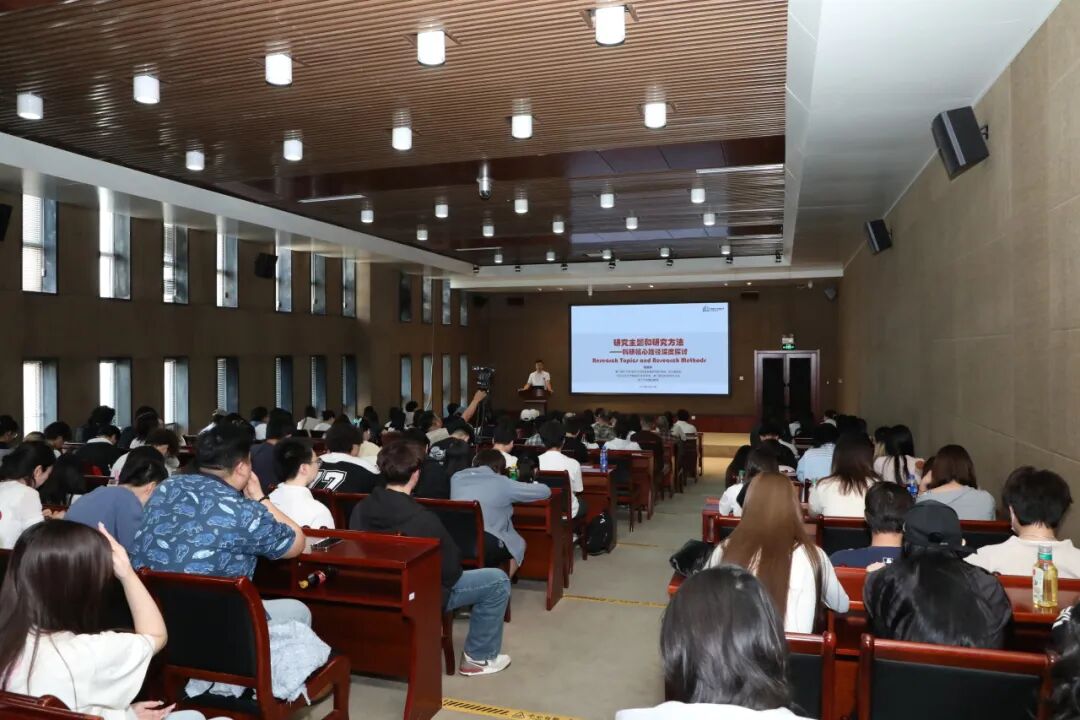
Seminar's site
Topic Selection: Start with Sound Research Questions and Distinguish Correlation from Causation
Drawing on his academic journey spanning architecture, urban planning, public administration and interdisciplinary research, Professor Han noted that architecture, animation and design are all interdisciplinary subjects. Outstanding design requires philosophical thinking and exploration of underlying principles, supported by rigorous scientific thinking for technical realization.
With his postgraduate thesis cases, he illustrated standards for solid research topics. Vague terms such as capacity, design and optimization are unsuitable as core keywords, whereas concepts including characteristics, mechanisms and strategies better reflect research rules. He reminded attendees to avoid confusing correlation with causation, a common research pitfall.
Thesis Writing: Follow Standard Frameworks to Innovate Based on Existing Literature
He elaborated on the internationally recognized thesis structure: research problem, literature review, hypothesis formulation, data collection, measurement, methodology selection, data analysis and conclusion. This standardized framework clearly separates existing scholarship from original innovations and facilitates reviewers’ reading.
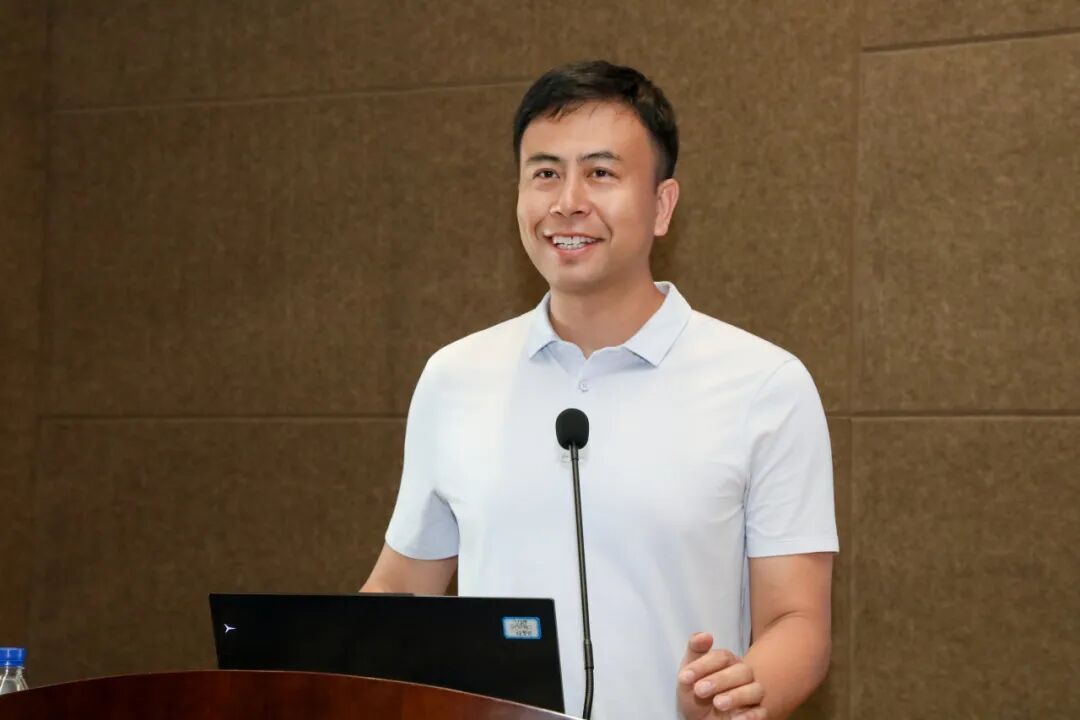
Seminar
Research Methods: Multi-modal Integration for Quantified Human Perception
Professor Han introduced cutting-edge methods applicable to design and urban studies, including questionnaires, big data statistics, GIS spatial analysis, computer simulation and mathematical deduction. Taking his research on central Shanghai as an example, he demonstrated multi-modal technologies: Baidu Street View API for time-series imagery, eye-tracking, facial recognition, natural language processing and wearable physiological sensors to quantify perceived safety and vitality of urban streets. He stressed that big data and AI serve human-centered evaluation, yet research should ultimately focus on humanistic and social concerns.
The Essence of Research: Explore the Unknown Rooted in Passion and Joy
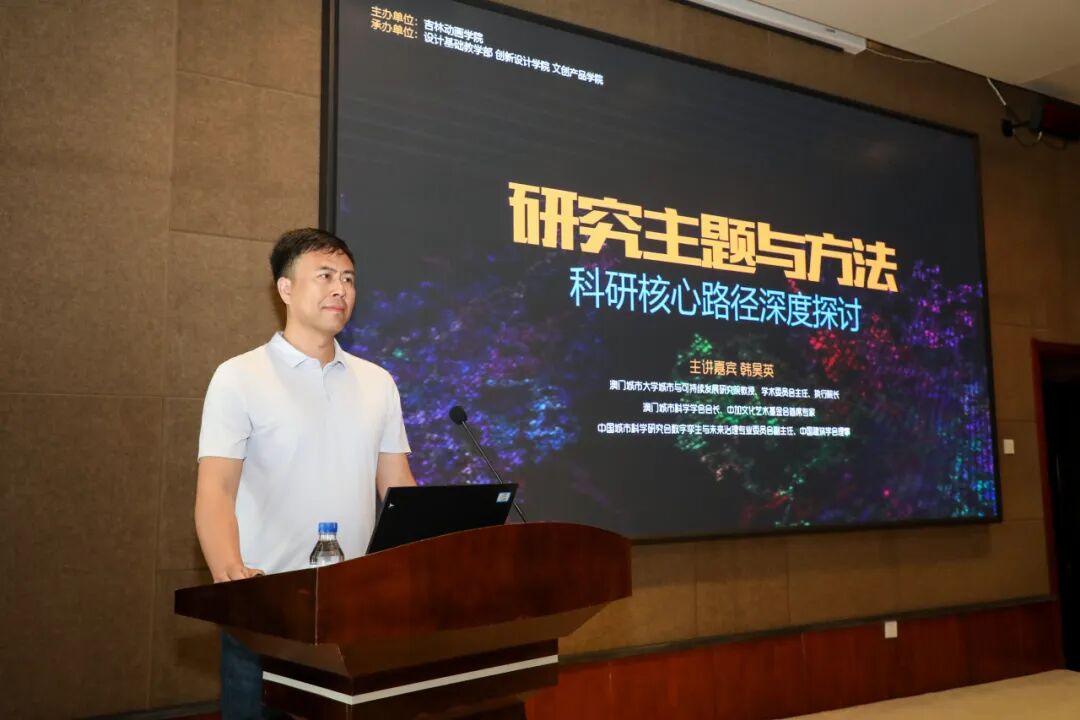
Seminar
In closing, Professor Han shared his insights on research nature. Valuable research stems from genuine interest and humanistic care rather than mere paper-publishing skills. “Higher education cultivates people, while research explores the unknown. Researchers should develop unique academic features and retain passion for exploration.” He encouraged teachers and students to read classic works, follow policy trends and integrate humanistic reflection with advanced technologies for meaningful research outputs.
Q&A Session: Targeted Solutions to Research Difficulties
Teachers and students raised abundant questions during the interactive session, all of which received detailed responses. Tailored to artistic and interdisciplinary research practices, the lecture offered practical guidance on standardizing research methods, identifying innovative research angles and upgrading academic outputs, resolving numerous real-world research challenges.
Moving forward, Jilin Animation Institute will keep building high-end academic exchange platforms and regularly invite distinguished domestic and international experts to deliver lectures and thematic seminars. These events will broaden academic horizons, stimulate innovative research, and elevate the institute’s overall research capacity and disciplinary development.